

Moving to Dubai: Facts, Pitfalls, and Experience
For many, life in the UAE is synonymous with luxury, sun-drenched beaches, and a high level of comfort. Every year, a vast number of people aspire to experience this lifestyle, visiting the UAE for vacation or moving for permanent residency. While a travel agent typically handles a vacation, a change of residence requires thorough preparation. Is everything truly that perfect in the UAE, what are the specifics of living in Dubai, and what should one prepare for when moving?
Key Facts About the UAE
The United Arab Emirates is a Muslim state located in Southwest Asia. Here are 7 facts about the UAE to consider when planning your move:
- The UAE is a country consisting of 7 separate emirates, each of which is essentially an independent state. Abu Dhabi is the largest and wealthiest, accounting for 87% of the territory. Dubai is the most popular among foreigners and the second largest, covering 5% of the area.
- 30% of the economy is driven by oil and gas extraction. Meanwhile, the state is actively developing other sectors for revenue, with real estate construction being particularly relevant today.
- Only one in ten residents of the UAE is a local citizen. The population exceeds 10 million, with nearly 9 million being expatriates from other countries.
- The official language is Arabic, but English is also widely spoken. All signs are duplicated in English, and it is spoken by police officers, doctors, and employees in all sectors a person in the UAE might need to contact.
- The state religion is Islam, practiced not only by locals but also by 90% of immigrants. However, the state respects other faiths and does not require all women to cover their heads; in 2020, the ban on alcohol sales was lifted. Previously, alcohol could only be obtained in hotels, restaurants, specific stores, or closed departments. Nevertheless, one should be prepared for bans on kissing in public places and similar restrictions.

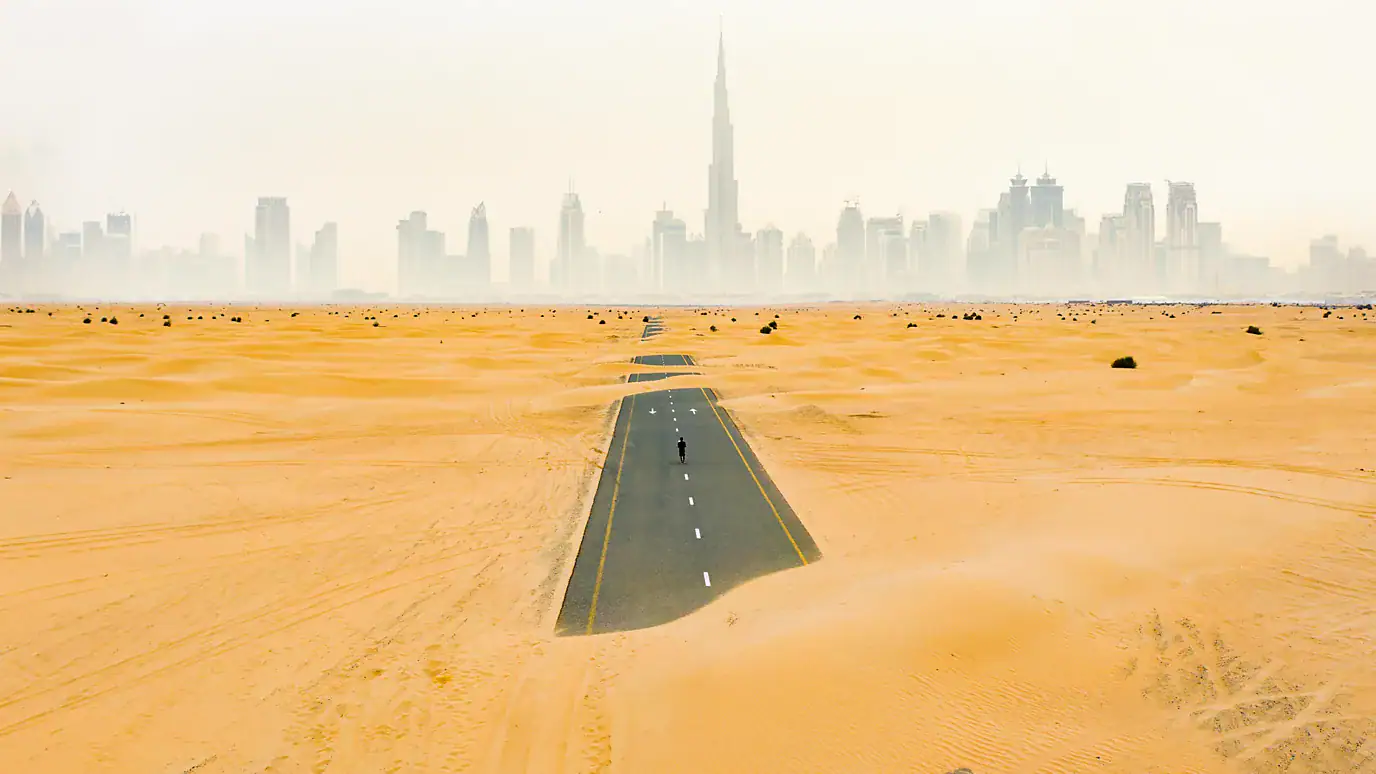
- To obtain UAE citizenship, at least one parent must be a citizen of the country. All other residents use specific residency visas.The climate is very hot and dry. In summer, temperatures in the shade reach 40–45°C, and sometimes even 50°C. In winter, average daytime temperatures hover around 20–23°C. Furthermore, as deserts cover most of the territory, sandstorms frequently occur.
Advantages of Moving to Dubai
As mentioned, most migrants in the UAE choose Dubai for their residence. Here are the primary benefits of living in Dubai:
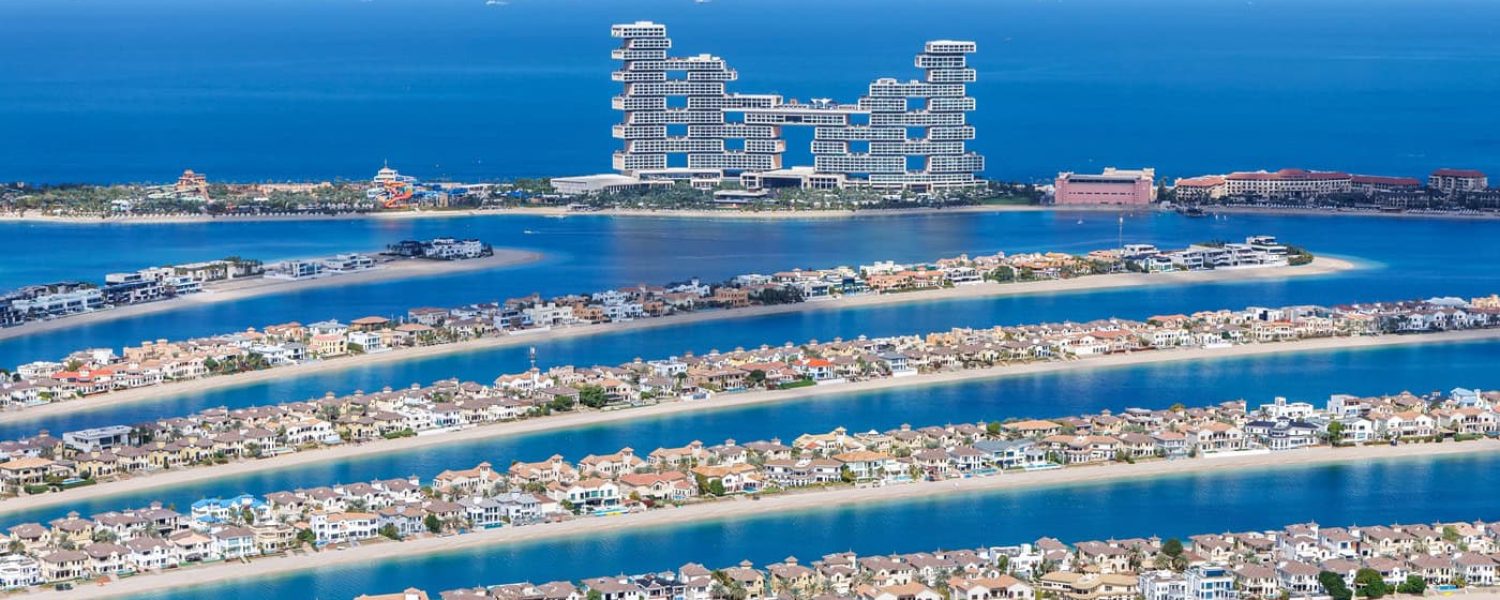
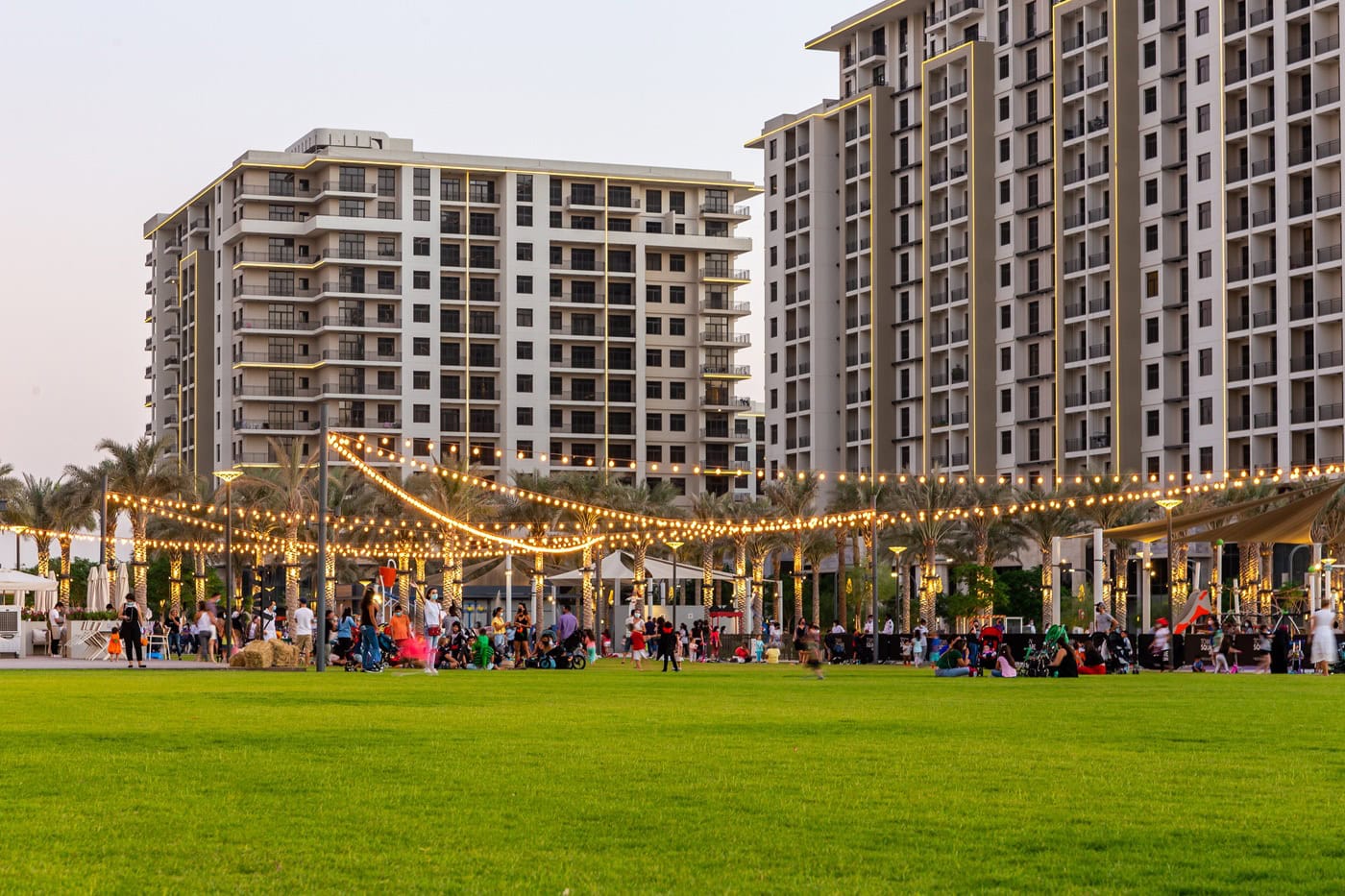
- High Standard of Living: Luxurious sky villas, sophisticated luxury penthouses, modern hotels, and yachts are everyday occurrences in Dubai. Almost anyone can build a business and earn a good living here.
- High Level of Safety: Despite the large number of immigrants, Dubai is one of the safest cities in the world. Reports of serious crimes are extremely rare. A large police presence and severe penalties for lawbreakers allow residents and guests to walk freely and enjoy the city day and night.

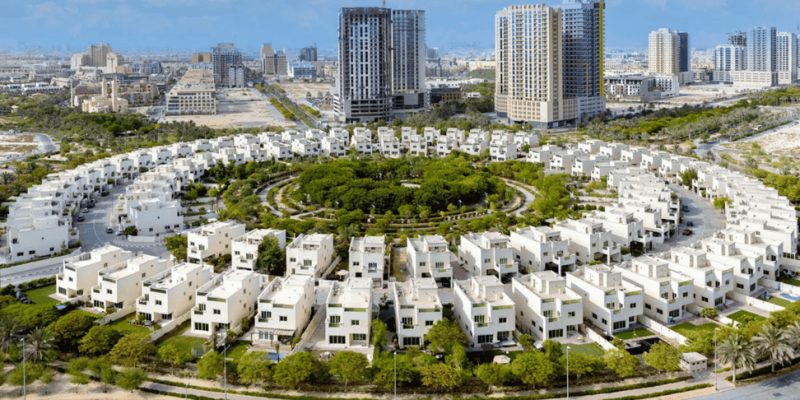
- Open Real Estate Market: Active construction ensures there is enough residential and office space for everyone. Furthermore, not only UAE citizens but also foreigners can acquire property in full ownership. Rental options of all levels and durations are also well-developed.
- Strategic Geographical Location: The UAE is situated at the crossroads of routes between Europe, Asia, and Africa. This location makes it easy to reach any part of the world to meet family and friends or simply to travel.
- Advanced Medicine: Modern equipment, an extensive pharmacy network, and young doctors with European and American education form the foundation of UAE healthcare. For citizens, medical care is free. Migrants are less fortunate; without insurance, hospital services are very expensive. Fortunately, many residents can afford medical insurance.
- Legal Residency: For many countries, obtaining documents for a long-term legal stay is a complex quest with many hurdles. The UAE has solved this problem. Obtaining a residential investor visa in Dubai takes about 2–3 weeks and does not require an extensive document package. For employees, the employer can handle the visa process.
- Entertainment: Dubai offers a vast selection of entertainment. There are so many parks, theaters, cinemas, entertainment centers, bars, and restaurants that visiting them all seems impossible. High competition drives business owners to attract customers with unique offerings, such as delicious cuisine, special programs, and cutting-edge technologies.
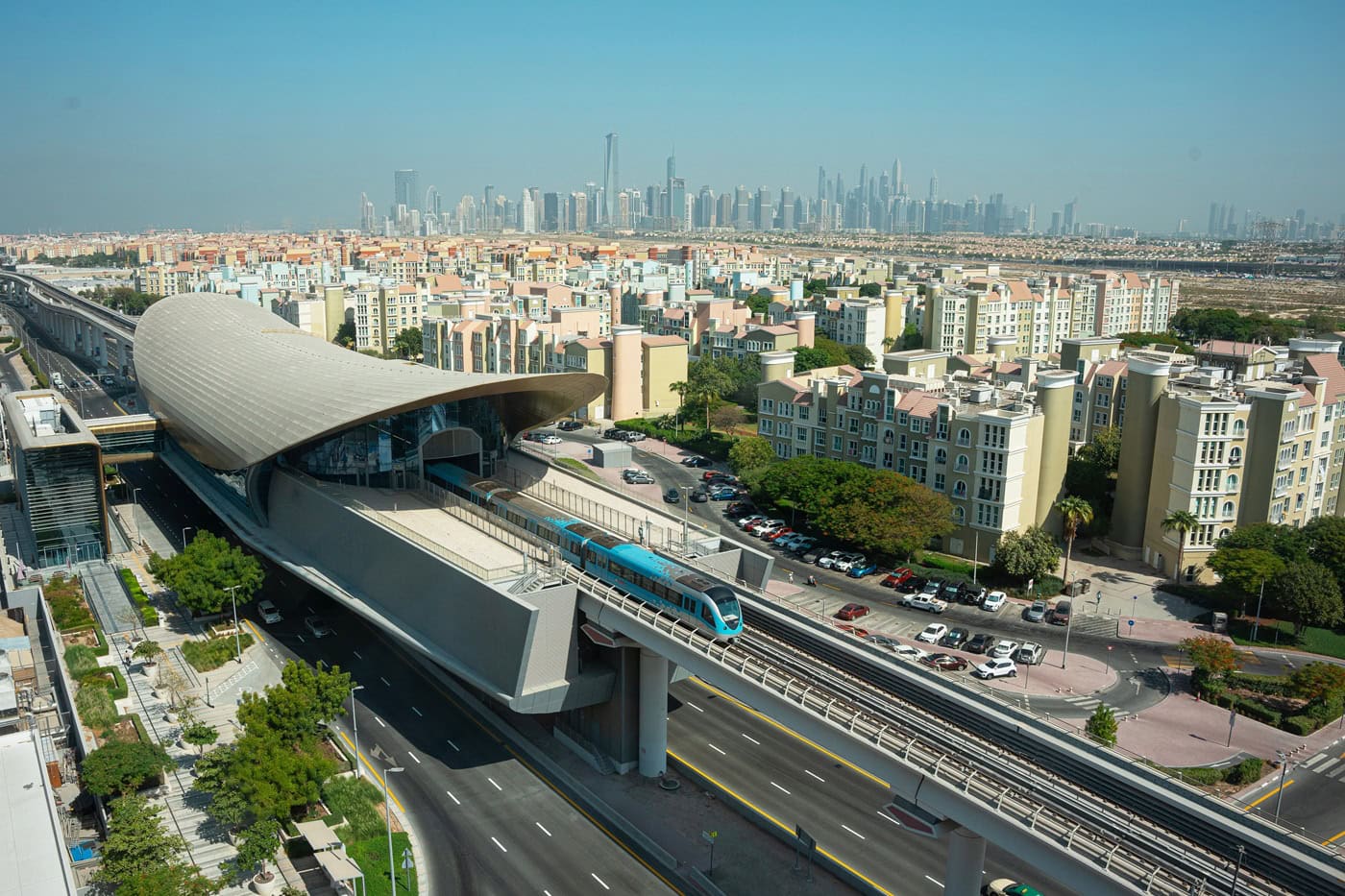
- Developed Public Transport: While the transport situation in the UAE is generally favorable, Dubai specifically features all modes: metro, buses, trams, and taxis. The latest innovation is the air taxi. All metro trains are air-conditioned, modern, and comfortable. There are separate cabins for women where men are strictly forbidden, and Gold cabins with a higher level of comfort. Since the metro is above ground, it offers beautiful city views. Bus stops are also air-conditioned for comfort. Various taxi services, including options for specific car brands or even yacht bookings, cover all transit needs. Public transport is a norm for both low-income and the wealthiest residents. Water taxis are even recommended for sightseeing. Services include the national Careem service and international brands like Uber, Bolt, and Yango. Booking is made easy through user-friendly online applications.
- Language: To live in Dubai, it is not necessary to learn complex Arabic; proficiency in English is sufficient. For many migrants, this is a decisive factor in choosing the country.
Disadvantages of Living in Dubai
However, it would be dishonest to speak only of the positives. Like any city, Dubai has its pitfalls:
- Climate: Many naively believe Dubai is a perpetual summer with comfortable temperatures, but this is not the case. Summer brings extreme heat of +35 to +45°C, high humidity, no rain, and sandstorms. Summer in Dubai means outdoor life at night and air conditioning during the day; it is certainly not for swimming or tanning near the beach. However, the grueling heat lasts only a few months before the transition seasons begin.

- Non-Traditional Laws: Many laws are based on Islamic norms. Revealing clothing or vivid displays of affection are prohibited, and there are restrictions on interacting with local women. During Ramadan, eating or drinking in public is not recommended. While you don’t have to convert to Islam, you must respect and accept its laws. One should familiarize themselves with specific rules, such as the ban on photographing strangers or traffic accidents.
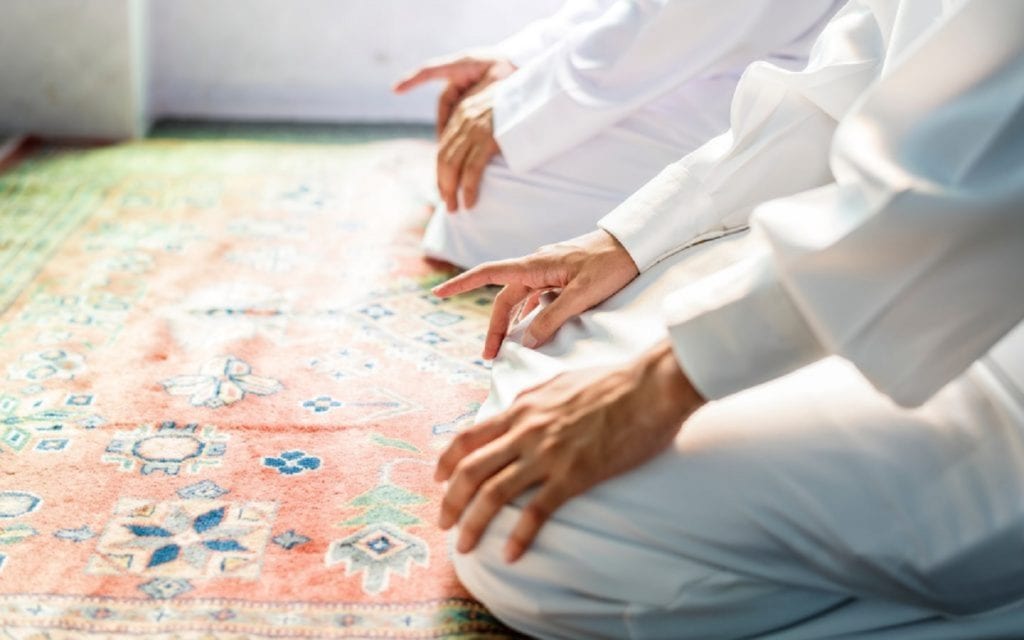
- Noise Levels: Dubai is a large, densely populated city with many tourists, nightlife, traffic, and construction sites. Additionally, it takes time to get used to the mosques calling for prayer five times a day.
- No Path to Citizenship: A significant downside is the inability to obtain citizenship. Migrants receive a residency visa that provides most rights equal to citizens, but citizenship is only granted if at least one parent is a citizen.
Advice and Expatriate Experience
Moving to another country always involves many difficulties. Expats recommend staying in Dubai longer than a standard one-week vacation before moving, exploring different neighborhoods, and engaging in daily routines to evaluate all pros and cons. This makes it easier to prepare for the new conditions.
Regarding housing, the real estate market is the same for migrants and locals. Anyone with a sufficient budget can rent or purchase property in full ownership. Purchase prices are relatively low compared to local salaries, but the same cannot be said for rent. A 1-bedroom apartment in prime areas can cost between $2,300 and $4,800 per month, while a 3-bedroom apartment can reach $7,000. It is best to use a real estate agency to find suitable property.
Study the laws of the UAE before moving. Many migrants face unpleasant situations due to kissing, arguments, or other displays of emotion in public; a simple kiss can result in a $1,000 fine.
If you have children, the education system is crucial. Dubai has international schools offering European and American curricula. However, kindergartens, schools, and universities are free only for UAE citizens. A private kindergarten for a foreign family can cost an average of $630 per month, and a school starts from $1,100 per month.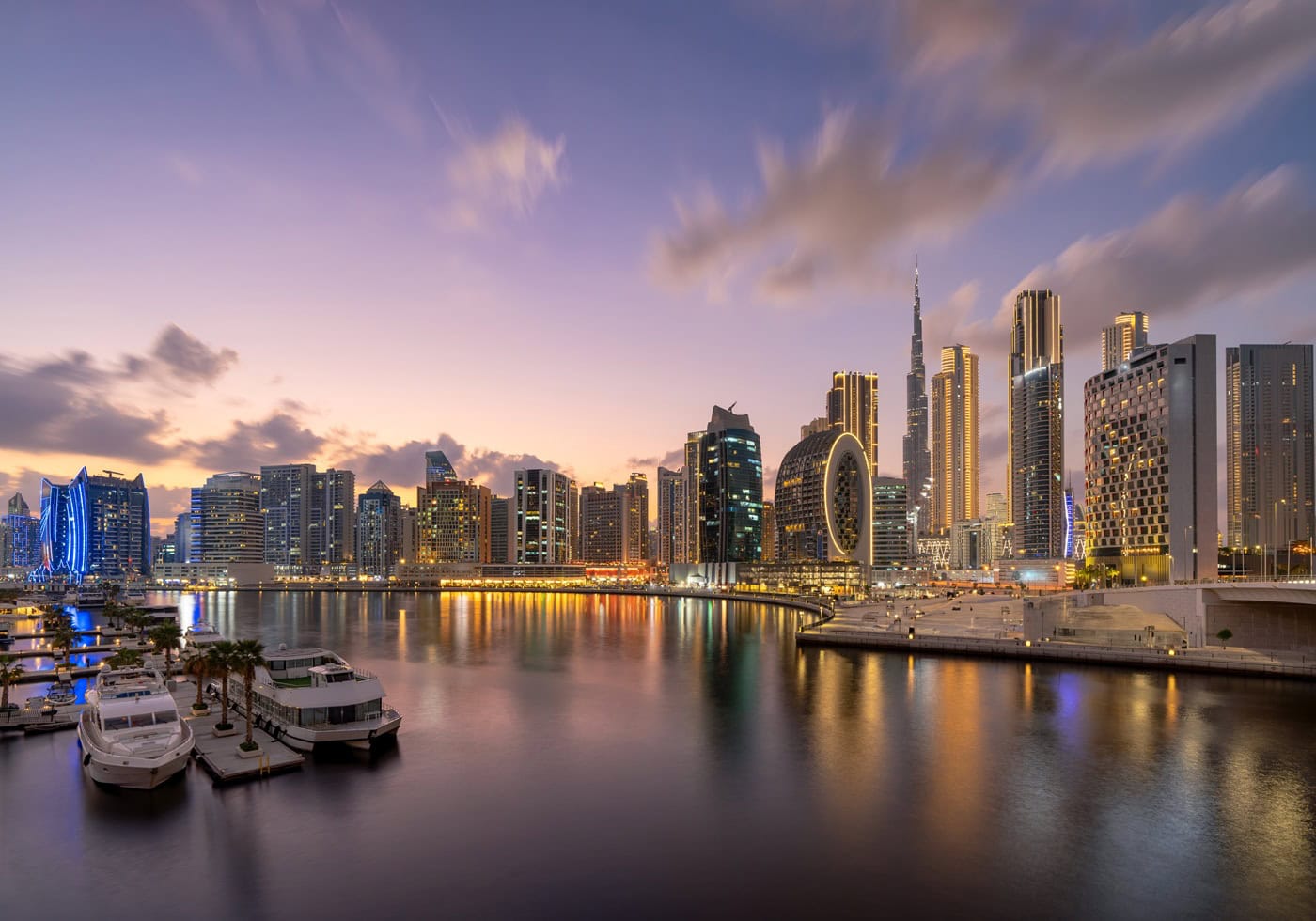
UAE traditions and culture are multifaceted. To help newcomers integrate, the Sheikh Mohammed Centre for Cultural Understanding offers classes. While you can study everything yourself, these meetings help in understanding traditions and finding new acquaintances. Visitors are often impressed by the integrity of residents; crime is almost non-existent, and a lost wallet is likely to be returned with all its contents.
Dubai is a city of contrasts. No matter your profession or country of origin, you will find like-minded people in this vast city. Whether to plan a move to the UAE is entirely up to you, but if you decide to do so, Dubai will always welcome you with hospitality and friendliness.
Other news