


Women's rights in the UAE, specific aspects and features of women's rights in the Emirates
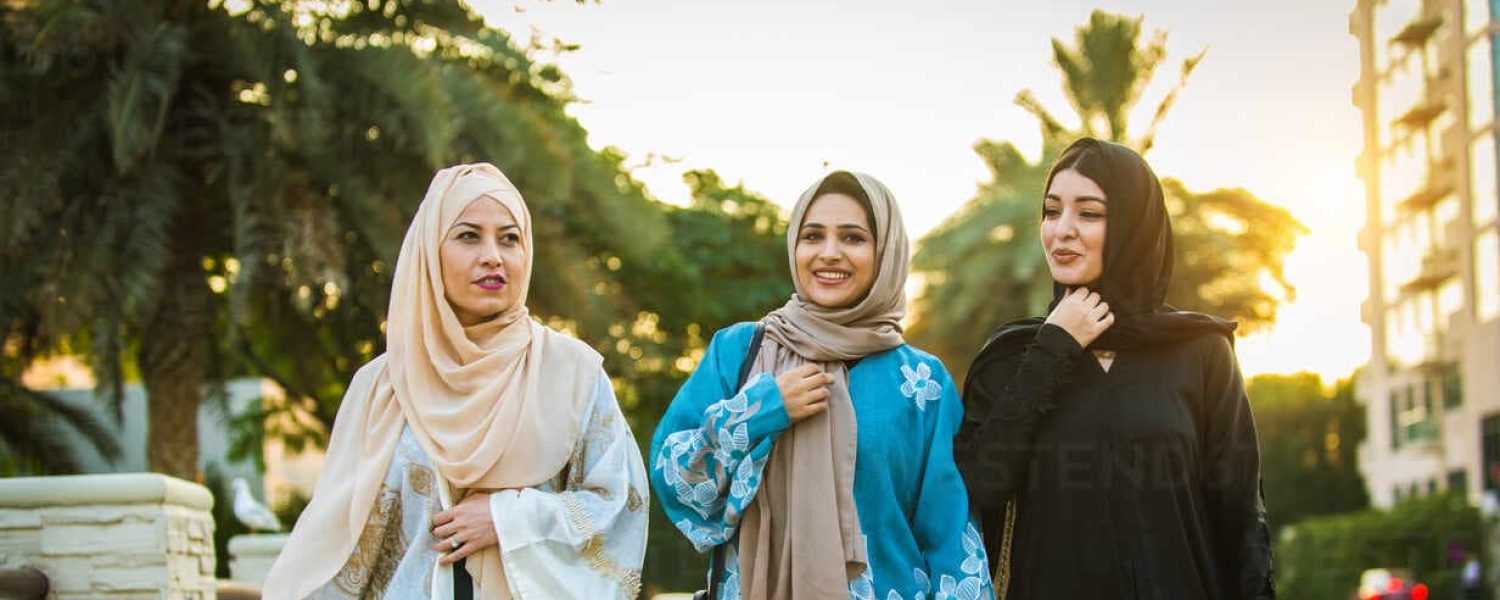
Gender inequalities are still relevant in the 21st Century. Many people mistakenly believe that women in the UAE have almost no rights because of religion, but this is far from true. There are indeed certain aspects, but women in the UAE certainly can not be described as lacking rights or freedom.
According to a study conducted in 2021 by George Town University (USA), women in the UAE feel comfortable and safe. In terms of women’s rights, the UAE ranks first among all Arab countries and is ranked second after Israel among all countries in the Middle East and North Africa.
Women in the UAE have the right to education, healthcare, start businesses, travel, and hold leadership positions. Let’s look at all of this in more detail.
The role of women in UAE politics
The UAE is not a democratic state. Only 50% of the Federal National Council is elected by the citizens. Since 2006, women have not only had the right to vote but also to run for seats in the council. In 2019, the UAE introduced a law that required women to hold exactly half of the seats in parliament. As a result, the UAE became one of the leading countries in the world in terms of female representation at this level of government.
In addition, women can not only hold positions in the council, but also in other government-based institutions. Roles like ministers, ambassadors, and advisors are all open to women and are actively being held by them throughout the country.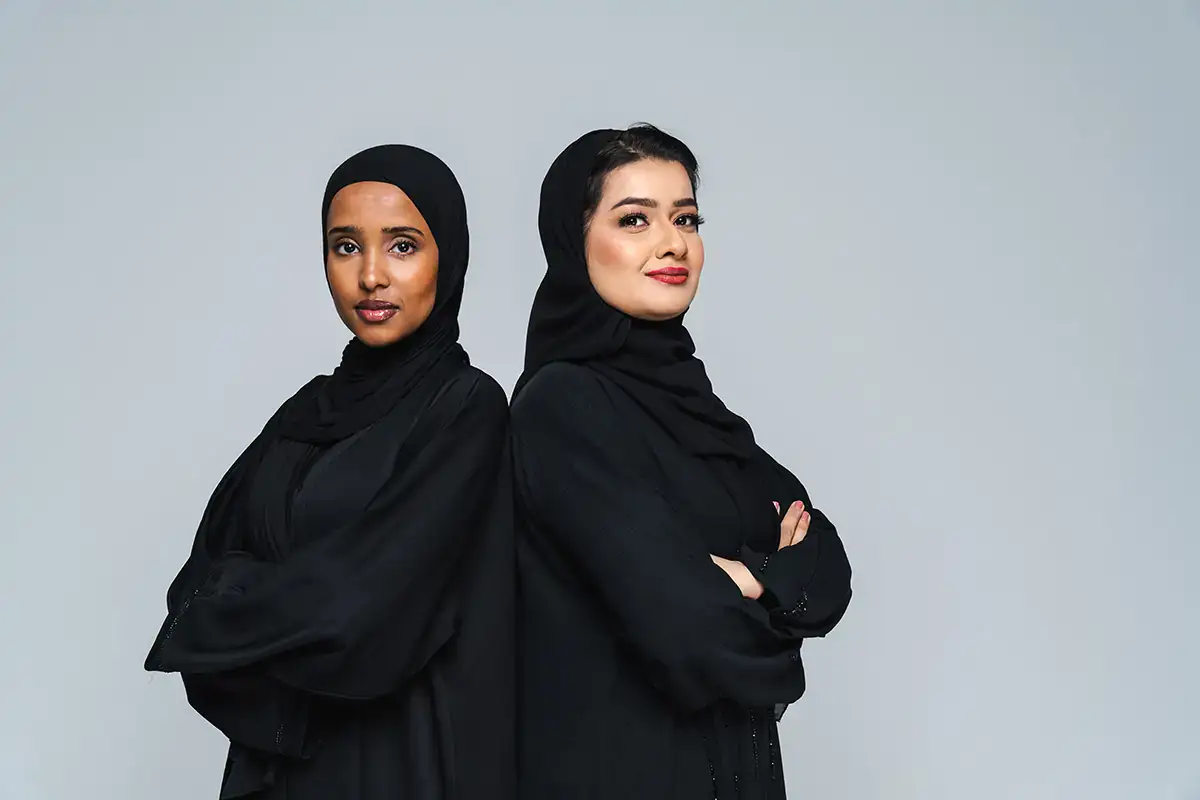
Education for women in the United Arab Emirates.
Education for women in the UAE is as accessible as it is to men. Women not only receive basic secondary education in public and private schools, but also widely graduate from colleges and universities, and even pursue scientific careers.
This wasn’t always the case. It is the result of the government’s hard work, development, and efforts. In comparison, in 1975, the literacy rate among women was only at 31%, whereas today it has reached 95.8%.
Women in the UAE who want to seek higher education can be found more often than men. Around 95% of females enroll in universities, compared to about 80% of males. Women also make up a higher percentage of graduates, with 70% of university graduates being female.
Women’s right to work and employment in the UAE
UAE laws ensure that women have equal conditions and opportunities when it comes to employment and salary payment. This means that a man and a woman holding the same position and performing the same duties must receive equal salaries.
Women in the UAE receive a high-quality education, which allows them to work in not only traditionally female professions but also in industries and fields that are often considered “male-dominated”. For example, women account for around 20% of the workforce in the nuclear sector and around 45% in the space industry.
However, this is where a certain aspect of the UAE comes into play. Sharia laws and traditions influence certain rules for women. Specifically, for a woman to work, she may need permission from her male guardian, who is usually either her father or husband.
Property and real estate ownership for women in the UAE
Women in the UAE face no restrictions when it comes to buying property, including real estate. They often buy properties for personal living and as an investment. Women are also allowed to fully take out loans or buy property using their own funds. In total, women own roughly 30% off all real estate in the UAE. However, there is an important aspect to consider. When it comes to inheritance, under Sharia law, women may receive a smaller share compared to men. For this reason, those who want to avoid possible complications for their family members are often advised to prepare a will in advance with the assistance of a qualified lawyer.
Healthcare for women in the UAE
Healthcare in the UAE is very well-developed and modern. Women have the same access to healthcare as men and can receive full medical care across all specialties. In addition, procedures like IVF (in vitro fertilization) are widely used and available.
An important feature of healthcare in the UAE is the strict regulations when it comes to abortion. The woman is only allowed to terminate the pregnancy under serious circumstances, such as when there is a serious medical condition affecting the fetus or a risk to the mother’s life. However, even in these cases, the procedure is only permitted in the first 120 days of pregnancy.
Pregnancy and childbirth in the UAE
The UAE is a country with a high standard of living, and population growth is influenced not only by childbirth but also by immigration. Women in the UAE do not have a parental leave period, only maternity leave. Depending on the employer, this leave usually lasts between 45 and 60 days. After returning to work, mothers are given additional time for breastfeeding, which can include up to 2 hours during the workday or shorter days spread throughout the day.
Family rights in the UAE
Perhaps one of the most complex aspects of life for women in the UAE, especially from a Western point of view, is family law. It is also important to note that these laws apply equally to both UAE citizens and expatriate women.
Marriage in the UAE generally requires approval of a male guardian, usually the father. Men are allowed to have up to four wives, provided that they can support them financially, while women are allowed to have only one husband.
Divorce initiated by a woman is handled through the court system and is only granted based on specific legal grounds.
Child custody after divorce follows set rules. In many cases, a mother may raise a son until the age of 11 and a daughter until the age of 13, after which custody may be transferred to the father.
However, there have been some positive legal changes in recent years. For example, as of 2020, the penalty for consensual relationships outside of marriage has been removed.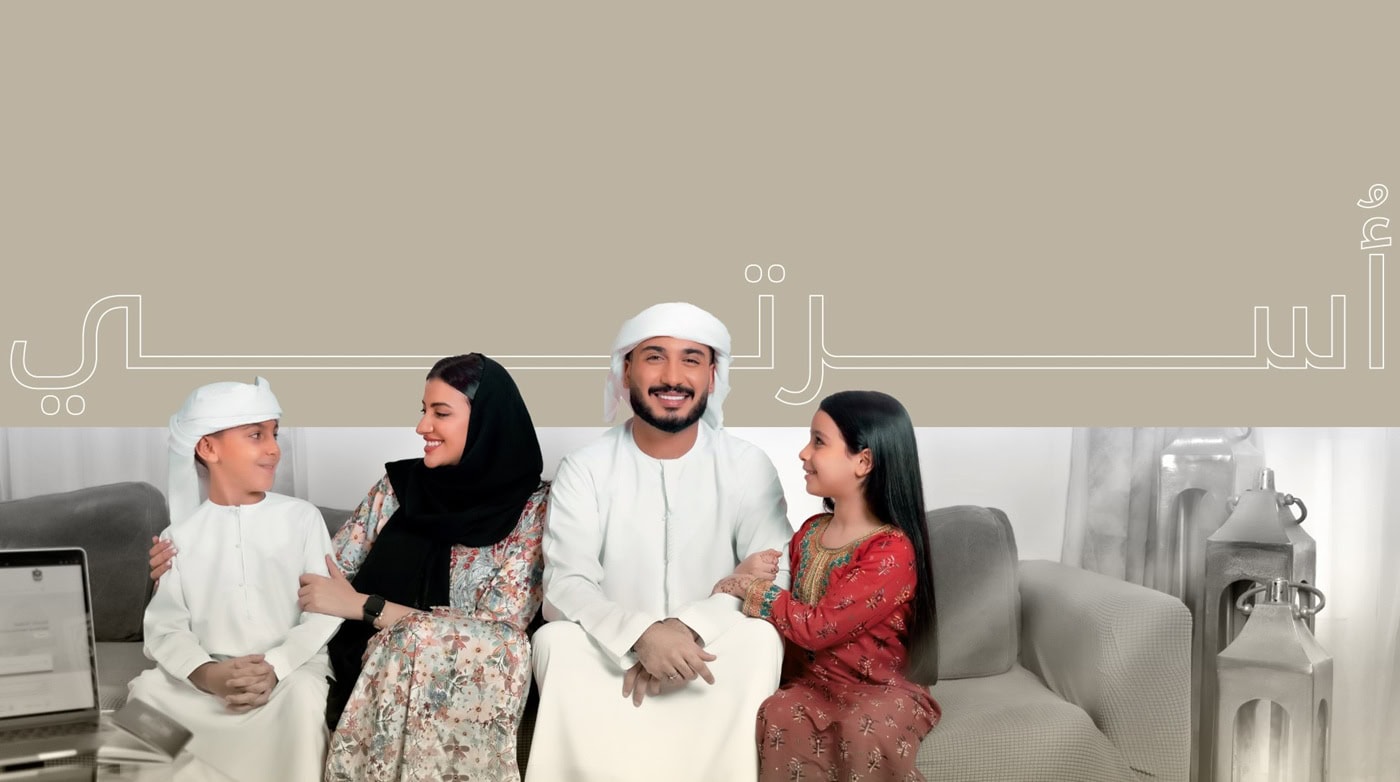
Women’s safety in the UAE
Women in the UAE generally always feel safe and comfortable. The protection of women’s rights in Dubai and the UAE as a whole is strictly regulated by law. About 98.5% of women in the country report that they are not afraid to walk alone at night in their neighborhood or take a taxi with a stranger. The laws are strict, and the enforcement of these laws is strong, so violations are usually met with very serious consequences, as the law enforcement is highly vigilant.
Regarding gender equality, the UAE has domestic violence laws that protect women from physical, sexual, psychological, and financial abuse within the home. There is also a dedicated government body responsible for promoting equal rights between men and women.
In addition, the UAE provides women-only facilities such as parking spaces, metro carriages, and taxi services. However, women are not required to use them and can choose whether to travel separately or alongside men.
Entry requirements to the UAE for women
As with men, women need a valid reason to obtain a residency visa or citizenship. A woman may obtain residency through her husband if he is already a resident, but this is where the main advantage ends. More details about relocating to Dubai can be found here: Moving to Dubai, facts, pitfalls, and experience.
For single women or those raising children on their own, it is especially important to seek legal advice before moving to the UAE in order to avoid any possible complications or misunderstandings later on.
Otherwise, entry conditions to the UAE for women and men are generally the same.
Other news