

Step-by-step guide to buying property in Dubai: legal aspects, payment processes, and recommendations

16 May 2026

Dubai is widely known as a major business center and one of the world’s leading luxury travel destinations. With its iconic skyscrapers, high-end shopping malls, and beautiful beaches, the city has become an attractive place for both investment and relocation. One of the most popular areas of investment is Dubai real estate. This is due to its steadily growing property values and strong demand for both sales and rentals of residential and commercial properties.
However, purchasing property in Dubai can be a complicated process. It is important not only to assess and evaluate the profitability of the investment, but also to understand the legal aspects of the transaction, explore financing options, and choose the right property for your specific needs. For this reason, having a clear step-by-step guide to purchasing real estate can be extremely helpful.
Step 1: Research
The first step in buying property in Dubai is conducting in-depth research. It is really important to understand the real estate market in Dubai, as well as the laws and regulations governing property ownership. It is really helpful to explore the different types of properties that are available in Dubai:
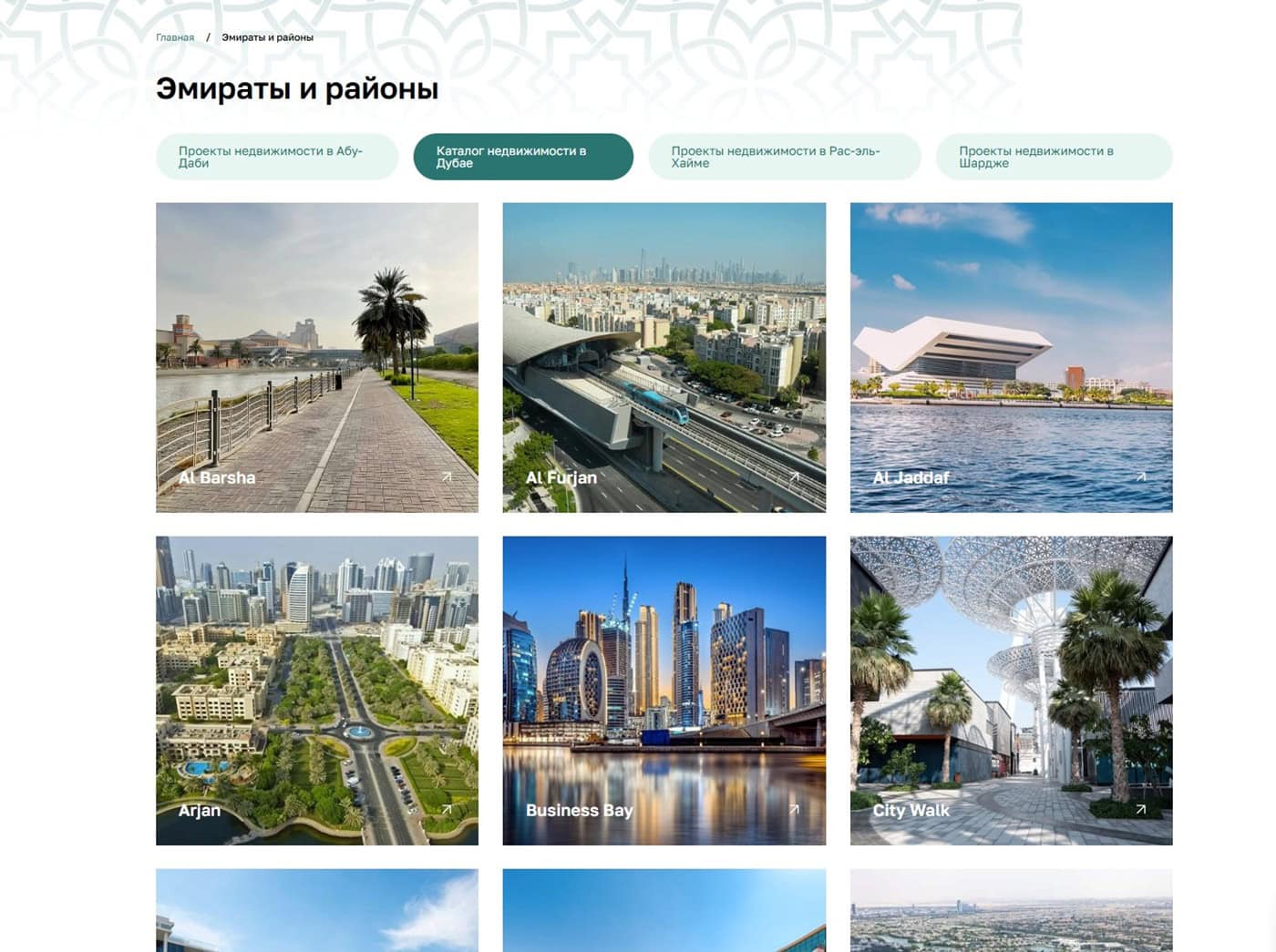
In addition, it is also important to explore the different areas in Dubai, learn about their characteristics, and compare property prices in different locations to find the area that best matches your needs and lifestyle. A good place to start is the Dubai property catalogue.
Step 2: Legal considerations
Buying property in Dubai involves several legal aspects, so it is important to know and understand the rules and regulations related to property ownership. Here are some key points to keep in mind:
- Freehold and leasehold ownership: In Dubai, some properties are sold as freehold, meaning the buyer receives full ownership rights, while others are sold on a long-term lease basis. Foreign buyers are allowed to purchase freehold properties in many designated areas around Dubai. However, there are still certain areas where ownership is limited to only UAE nationals and citizens of GCC countries. There are also some areas where foreigners can only receive leasehold rights for up to 99 years (a type of rental agreement) instead of full ownership.

- Property registration: Every real estate transaction in Dubai must be officially registered with the Dubai Land Department, whether the property is bought directly from a developer or is bought as a resale on the secondary market. Buyers are also required to pay a registration fee of 4% of the property’s value to the Dubai Land Department.
- Residency visa options: For non-residents, an important aspect of purchasing real estate is often the opportunity to obtain a residency visa in the UAE. One of the options for securing it is buying property in Dubai. As of 2026, the Dubai Land Department (DLD) has revised the rules for obtaining visas to make them even more flexible and favorable. This will undoubtedly serve as a significant incentive for that category of owners whose real estate assets in previous years did not meet the market value threshold of $204,000 (AED 750,000) required to qualify for a renewable 2-year investor visa. There is no longer a minimum price threshold for applying for a 2-year investor visa. However, the condition regarding joint ownership remains—the share of each owner (in the case of, for example, joint property ownership between legal spouses) must be at least $108,900 (AED 400,000) per person. To qualify for a 10-year Golden Visa in 2026, the requirements remain unchanged—the property value must be at least $550,000 (AED 2,000,000).
- Property taxes and service fees: Dubai does not impose annual taxes on residential real estate. However, property owners are required to pay the maintenance fee after receiving the property. These fees, known as the service charges, are paid to the developer to cover the upkeep and maintenance of the building and surrounding areas throughout the period of ownership.
Step 3: Financing Options
Buying property in Dubai is a significant financial commitment, and not everyone can afford to pay the full amount upfront. Fortunately, there are several ways to finance a property purchase in Dubai:
- Cash payment: Buyers who have enough funds to fully cover the purchase price can pay for the property in cash.
- Mortgage: Many banks in Dubai offer mortgage options for foreign buyers who are non-residents and those who hold a UAE residency. The mortgage terms, down payments, and interest rates can vary depending on the bank. Therefore, it is important to compare and review different offers and conditions before making a decision.
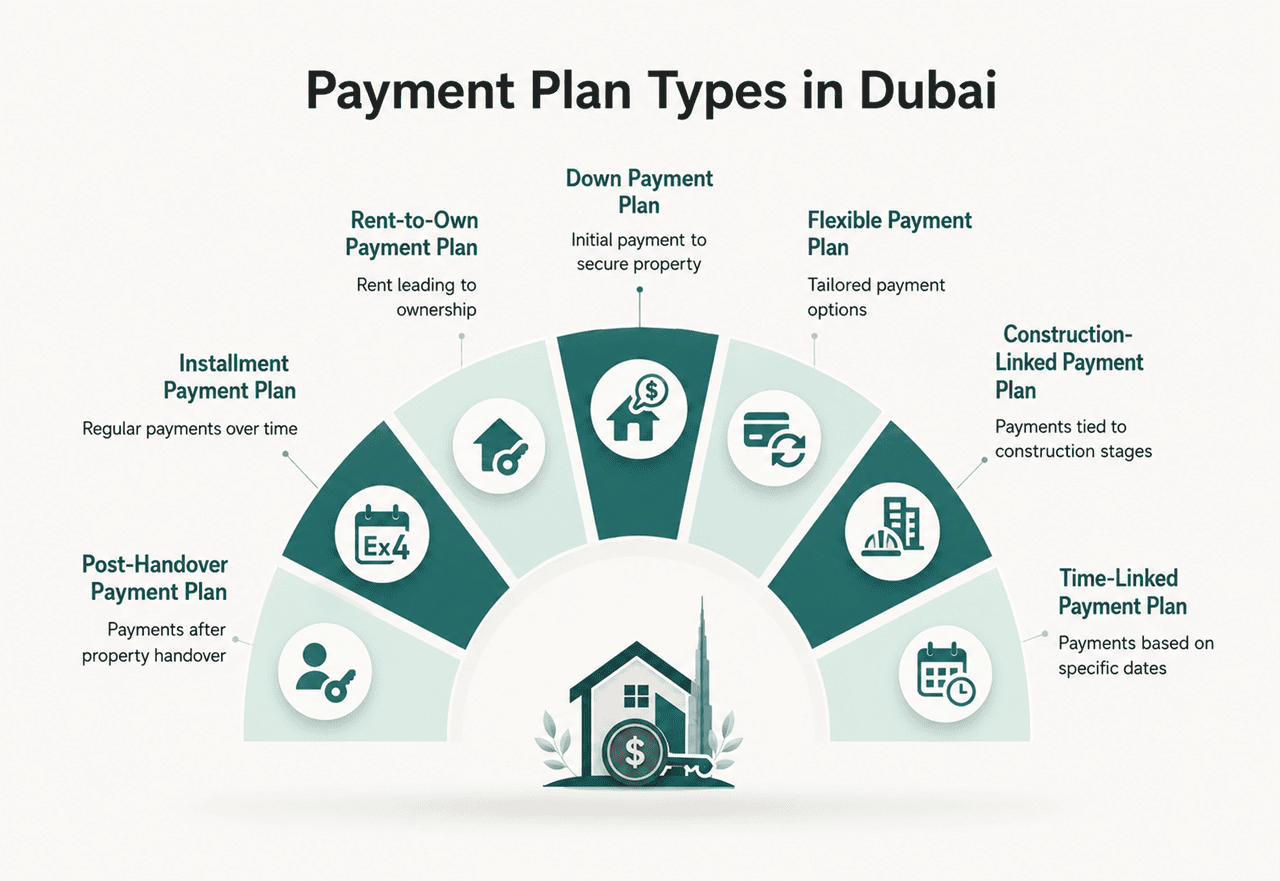
- Developer payment plans: Some developers provide instalment plans that allow buyers to purchase property without having to pay the full amount immediately. These payment plans can range from 2 to 5-6 years. They are most commonly available for off-plan or under-construction properties. Payment plans for ready properties are less common.

Step 4: Finding the right property
Searching for the right property in Dubai takes time, research, and a good understanding of the market. With such a large selection of properties and a wide range of prices, buyers can usually find an option that fits both their lifestyle and budget. Here are some useful tips to make the process of finding the right property easier:
- Work with experienced real estate professionals in Dubai: An experienced real estate agent can help you find properties that match your needs, guide you towards better investment opportunities, and help you avoid possible legal or financial issues that may occur during the transaction process.
- Set your budget: Before beginning your property search, it is important to set a clear budget. Having a set budget will help narrow your options and make the search more efficient while at the same time reducing the risk of overspending.
- Consider the location carefully: Dubai offers many different neighborhoods, each with its own lifestyle and advantages. When choosing a property, consider all the different factors, such as nearby schools, shopping malls, and access to public transportation. Some areas are popular for their parks and sports facilities, while others are known for beachfront living or a lively city lifestyle.

- Research the developer’s reputation: If you are buying property on the primary market, it is important to research the developer before committing to buy from them. Looking at reviews and experiences from previous buyers can help you understand how reliable they are. An inexperienced or unreliable developer may delay project completion or deliver the property in worse condition than originally promised.
Step 5: Making an offer and closing the deal
Once you have found a property that suits your needs, the next step is to make an offer and finalize the purchase. The process for buying property on the secondary market is explained in our buyer’s guide.
For purchasing property on the primary market in Dubai, the process usually includes the following steps:
- Choose a property offered by the developer
- Sign the property reservation form
- Pay the initial deposit, which is typically around 10-20% of the property price, along with the 4% Dubai Land Department fee and any administrative charges
- Sign the sales and purchase agreement
- Complete the transaction either by paying the remaining balance (if required by the contract) or by continuing payments according to the agreed payment plan.
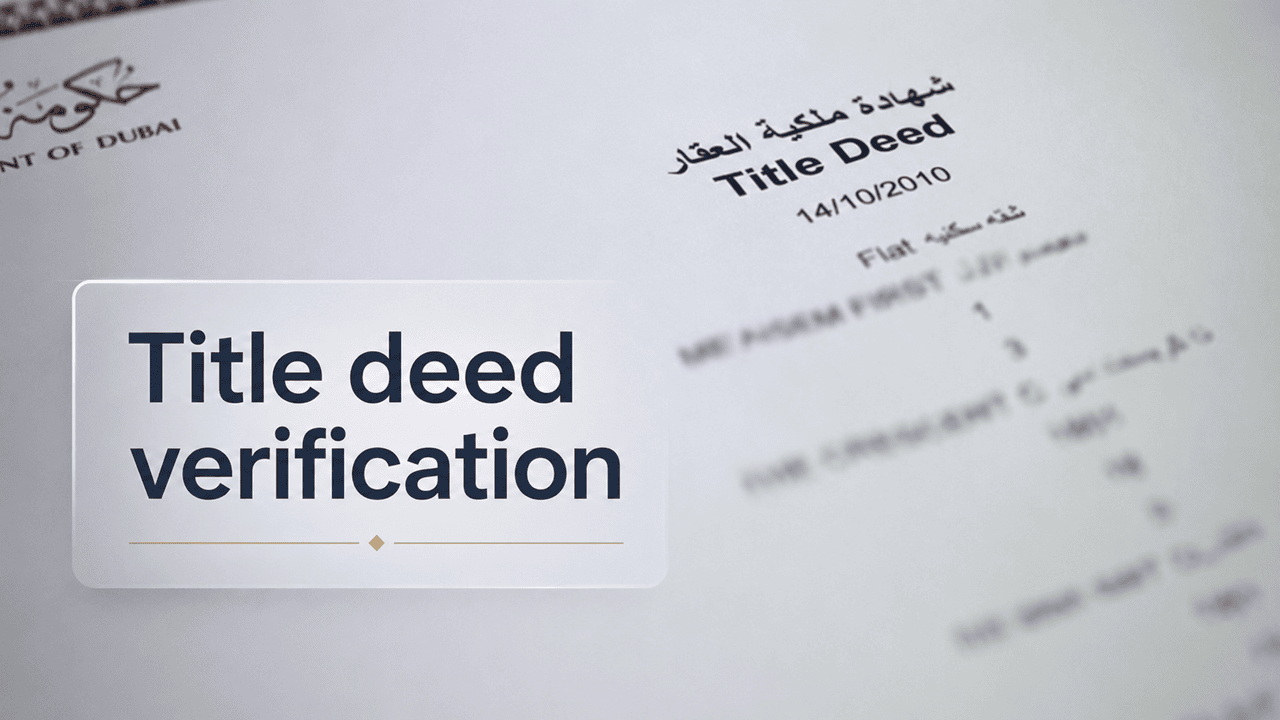
- If the property is still under construction, the buyer will receive an Oqood certificate confirming ownership of the off-plan property. Once the property construction is completed, the owner receives a Title Deed issued by the Dubai Land Department as official proof of ownership.
- After receiving the keys and completing the final paperwork, the owner can move into the property or rent it out.
Tips for a successful property purchase
Buying a property is an important decision, and the process can sometimes feel complicated. However, following a few key recommendations can help make purchasing a property in Dubai much easier and more secure:
- Work only with experienced professionals: Choosing qualified real estate brokers, agents, and consultants can help you better navigate the legal and financial aspects of buying property in Dubai. Experienced professionals can also help you avoid unnecessary delays, costly mistakes, and potential legal issues during the transaction process. It is important to remember that in Dubai, only certified agents are legally allowed to advise clients and handle property transactions. Their training, examinations, and annual renewals are regulated by the Dubai Land Department. After successfully passing the required exams, agents receive an official broker card with a registration number that can be verified through the Dubai Rest App. People who do not hold a valid broker card cannot provide real estate services, as they have not completed the required accreditation and may lack legal and technical knowledge. At Al Hayat Almushreqa, all agents are accredited by the Dubai Land Department.
- Do thorough research: Before making any decisions, take time to understand the property market, available financing options, local laws, and regulations. This will help you make a more confident choice and avoid unnecessary and expensive mistakes.
- Inspect the property conditions carefully: Always check the property carefully before making an offer to make sure that it matches not only your expectations but also the description and that it is in good condition.

- Don’t be afraid to negotiate: In Dubai, price negotiation is completely normal and common. Don’t hesitate to negotiate the price with the seller or developer. In many cases, you can secure a better deal than expected through discussion.
- Be prepared for additional costs: In addition to the purchase price, there are always additional expenses such as the service charges and property registration fees. These should be included in your budget from the start. After buying a property, there may also be additional costs for furnishing, renovation, or small adjustments to adapt the property to your needs.

Conclusion
Buying a property in Dubai can be a profitable investment. Still, it is important to understand all the legal aspects, available financing options, and carefully consider advice when searching for the right property. Doing proper research, working with experienced professionals, and following a clear process can help ensure a successful purchase in the Dubai real estate market.
Consulting with concierge real estate specialists can also help you save time and avoid expensive mistakes. With good preparation and the right guidance, owning a property in Dubai can become a realistic goal and a rewarding investment.
Other news